If you found out you had the second-lowest UCAT score in your year, what gives you the audacity to think you could become a neurosurgeon?
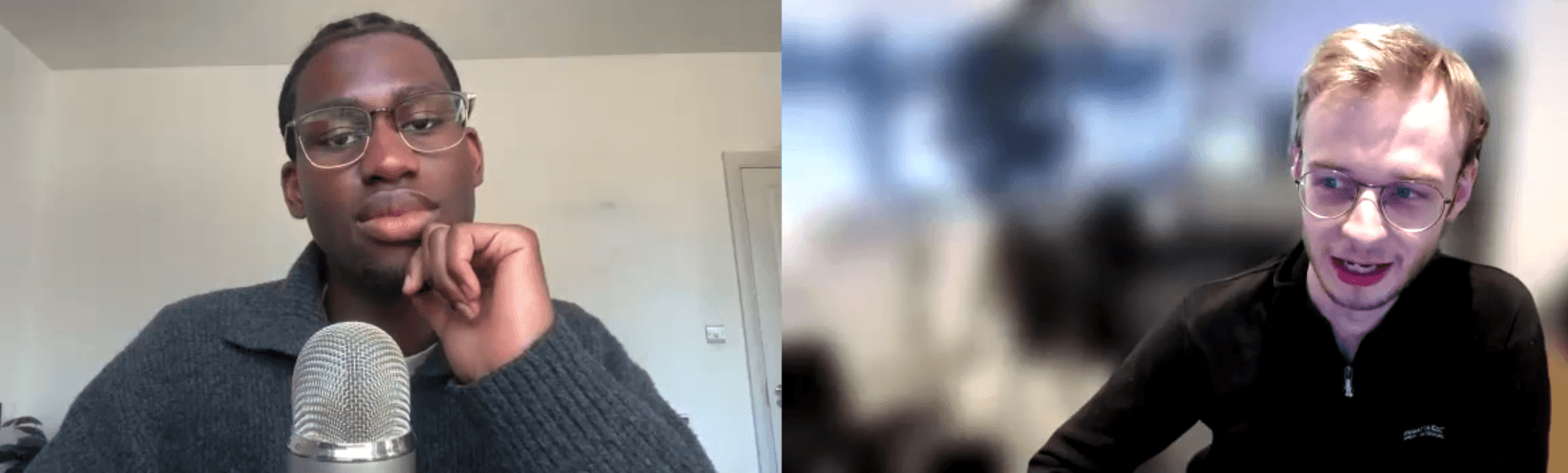
Ollie Burton and I had a chat about his story. He was in this exact situation. He missed out on medical school in 2017. When he finally got in, he was told he was one of the lowest-ranked candidates.
But he turned it around and eventually became one of the top 10 applicants for neurosurgery training, and secured an Academic Clinical Fellowship to boot. He also completed a side quest in becoming a pretty big medical influencer with over 100,000 followers across YouTube, X and LinkedIn.
He broke down all his secrets, starting with his background.
Starting from the bottom
His story starts with his A-levels. Ollie got AAB. Not what most medical schools want. So it was back to the drawing board. He did an undergraduate degree in cellular and molecular biology, then went to Warwick Medical School through graduate entry.
In his second year, he credits a pivotal personal moment that resulted in a passion for neurosurgery. Once he decided on this goal, he got involved wherever he could, from societies to being proactive in the clinical environment.
His proactivity caught the attention of the registrar who mentored him. This mentorship was a cheat code. It resulted in him being offered opportunities for research, audits and quality improvement projects. Although he did not know it at the time, this was all good fodder for the shortlisting matrix, the stats required to be a competitive candidate.
Satisfying the matrix
From there it was all about satisfying the matrix. Through the remainder of medical school, foundation years and then his academic teaching fellowship, he achieved:
- 4-5 closed-loop audits: one changed the standard of care at UCLH.
- An abundance of teaching sessions: one formal teaching programme with eight sessions over three months, plus ad hoc sessions usually two or three times per month.
- 20+ publications (although he insists two or three solid neurosurgery papers are enough: quality over quantity).
- 13 prizes and awards: seven during medical school and six after graduation.
With all these achievements, and an MSRA score of 530, you would think it would be smooth sailing. But Ollie still fell slightly short, ranking 34th when he really needed to come in the top 20.
This is where Ollie credits grit in his success. He put his life on hold for six months, putting everything else aside until the cycle was over.
This time it was different
He achieved an MSRA score of 551 and smashed his interview, ranking seventh in the country. He got his dream role.
Key takeaways
- Be shamelessly proactive: Getting noticed by the registrar was not luck. It was the result of repeatedly showing up in the right places. Most of us tend to blend in during placement. If you are interested in the specialty, it is not too hard to stand out. Stay curious. Opportunities will come.
- Reverse-engineer the system: He figured out what was important early. In his case, neurosurgery had a score cut-off. This meant maxing out the neurosurgery ST1 scoring matrix. He broke it into chunks and worked backwards. No wasted time on factors that did not assist him.
- Persistence: It is pretty rare for any doctor to get into competitive specialty training on the first attempt, so do not feel disheartened. With time, it becomes increasingly likely that you will get in, both because you know what to expect and because you inevitably get better. His MSRA score moved from 530 to 551.
- Mentorship and community: He stressed the importance of mentorship. The early projects were a direct result of someone looking out for him. To keep himself sane, his wife and friendships were imperative during the hard times.
What comes next
I asked Ollie what his long-term ambitions were. His eyes are set on becoming the one they call for the hardest cases, the name surgeons whisper when no one else will take it. He has also fallen in love with teaching, so fostering and mentoring the next generation of neurosurgeons is his next top priority.